Revision Bariatric
Surgery
When an initial bariatric surgery did not achieve the expected results or resulted in complications, revision surgery offers you a second chance—with honest evaluation, precise technique, and comprehensive support.
or complications
+ resolution

Revision bariatric surgery:
a second chance
Revision bariatric surgery (also called conversion surgery, reoperation, or revisional metabolic surgery) is a surgical procedure performed on patients who have previously undergone bariatric surgery and who require additional surgery for one of the following reasons:
- Significant weight regain after initial successful weight loss
- Insufficient weight loss (failure to lose 50% of excess weight)
- Technical complications from the previous surgery (stenosis, fistulas, pouch dilation)
- Severe gastroesophageal reflux following gastric sleeve surgery
- Persistence or recurrence of comorbidities such as type 2 diabetes
The most important thing you need to know
Needing revision surgery does not mean your previous surgery was a failure, nor that you failed. Bariatric surgeries have revision rates documented in the medical literature (between 5% and 15% depending on the procedure). There are many biological, technical, and personal reasons why a second procedure may be the best decision.
The first step is an honest, non-judgmental assessment—understanding what happened, why, and what the right path forward is.
Possible options depending on your case
The type of revision surgery depends on the previous surgery and the reason it is needed. These are the most common scenarios:
Gastric sleeve → Gastric bypass
Conversion when there is significant weight regain, severe reflux, or a need for better metabolic control (diabetes). The bypass adds the malabsorptive component and eliminates reflux.
Re-sleeve / Sleeve reduction
When the gastric sleeve has dilated over time, the stomach can be reduced in size again while maintaining its sleeve shape.
Sleeve → Anti-reflux + Bypass
When post-sleeve gastroesophageal reflux is severe and resistant to medical treatment, it can be converted to a gastric bypass, which permanently eliminates reflux.
Bypass → Technical Revision
Repair of bypass complications: gastric pouch dilation, anastomotic stricture, chronic fistulas, or internal hernias.
Gastric band → Sleeve gastrectomy or bypass
For patients with an old gastric band (procedure no longer in use), the band is removed and a gastric sleeve or bypass is performed, depending on the case.
Total reversal
In very rare cases (severe nutritional complications, severe intolerance), a gastric bypass can be reversed. This is only considered under strict medical indication.

Who benefits from revision
The indications for bariatric revision surgery must be clear and well-documented. Not all patients who regain weight are automatic candidates for a second surgery—the evaluation is individualized.
Clinical Indications
- Weight regain exceeding 25% of the initial weight loss, sustained for more than 18 months post-surgery
- Insufficient weight loss: less than 50% of excess weight at 12–18 months
- Severe gastroesophageal reflux following gastric sleeve surgery, resistant to medical treatment
- Recurrence of comorbidities (diabetes, hypertension) that had gone into remission
- Technical complications documented by endoscopic or radiological studies
- Proven patient commitment to the post-surgical plan
When Revision Surgery Is NOT Directly Recommended
In some cases, before considering revision surgery, non-surgical alternatives are evaluated, such as:
- Intensive nutritional and behavioral support
- Complementary medical treatment (obesity medication)
- Endoscopic management (in select cases)
- Psychological support to adjust eating behaviors
Revision surgery is a technically more complex procedure than primary surgery, with a higher complication rate. Therefore, the decision must be carefully considered and supported by a multidisciplinary evaluation.
What Your Evaluation Involves
Revision surgery requires a more thorough evaluation process than primary surgery, because we need to understand what happened with the previous surgery and why.
1. Review of medical history
- Surgical report from the previous surgery
- Documented weight history with dates
- Nutritional and behavioral treatments received
- Previous tests: lab work, endoscopies, X-rays
2. Current diagnostic tests
- Upper gastrointestinal endoscopy: assesses the condition of the stomach, presence of dilation, reflux, or stricture
- Esophagram: studies transit from the esophagus to the stomach
- Esophageal manometry and pH monitoring: in cases of reflux
- Comprehensive laboratory tests: nutritional, metabolic, and vitamin levels
- Cardiopulmonary evaluation: cardiac and respiratory function
3. Multidisciplinary evaluation
- Bariatric surgeon (Dr. Bula): appropriate technique
- Nutritionist: current habits and future plan
- Psychologist: behavioral and emotional factors
- Endocrinologist: metabolic comorbidities
4. Informed decision
After a comprehensive evaluation, we present you with a clear, personalized plan: which procedure, why, what to expect, specific risks, and the commitment required. The final decision is always yours, with all the information on the table.
Features of the evaluation
| Aspect | Details |
|---|---|
| Type of surgery | Laparoscopic (most cases) or open in complex cases |
| Procedure duration | 2 to 4 hours (depending on complexity) |
| Type of anesthesia | General |
| Hospital stay | 48 to 72 hours (longer than the primary surgery) |
| Initial recovery | 2 to 4 weeks |
| Return to full activity | 6 to 8 weeks |
| Technical complexity | Greater than primary surgery |
| Complication rate | Slightly higher than primary surgery |
| Expected weight loss | Varies by case (typically an additional 40–60% of excess weight) |

What to expect
The results of revision surgery depend on the type of revision, the reason for it, and the patient’s commitment to the new plan.
Conversion from sleeve gastrectomy to gastric bypass (most common case)
- Additional weight loss: typically 40% to 60% of remaining excess weight
- Resolution of reflux: significant improvement in most cases
- Better metabolic control: especially for type 2 diabetes
- Time to see results: 12 to 18 months post-revision
Reduced dilated sleeve (re-sleeve)
- Moderate additional weight loss
- Restoration of the feeling of early satiety
- Visible results in 6 to 12 months
Revision due to technical complications
- Resolution of the identified technical problem
- Improved quality of life
- Weight stabilization (further weight loss may be limited)
Follow-up is a powerful tool, but long-term results depend on the patient’s commitment to the nutritional, behavioral, and follow-up plan. Patients who have already undergone previous surgery often have an advantage: they are already familiar with the process and know what changes work.
Risks and realities
Revision surgery is technically more complex than the initial procedure. Transparency about risks is a fundamental part of your decision.
Specific Risks
- Higher risk of anastomotic leaks (3% to 5% vs. 1% to 3% in primary surgery)
- Higher risk of intraoperative bleeding
- Longer surgical and anesthesia times
- Higher likelihood of adhesions due to previous surgery
- Longer recovery
- Increased risk of nutritional complications
Realistic considerations
- Weight loss is typically less than with primary surgery—it is important to have realistic expectations
- Post-surgical commitment is even more critical—without sustained changes, results may not be maintained
- Some patients require more than one revision over the course of their lives
- Psychological support is highly recommended
Investing in your health
The cost of bariatric revision surgery is typically higher than that of primary surgery due to its greater technical complexity and duration. The estimate is determined following a comprehensive evaluation.
The initial evaluation consultation with Dr. Bula costs $170,000 COP. For revisions, the evaluation is more extensive because it includes a detailed analysis of your previous surgery and careful planning of the additional procedure. Please remember to bring all available medical records from your first surgery.
A detailed quote is provided after the evaluation, based on the clinical findings and the type of revision recommended. Financing options are available.
Experience for Your Second Chance
Dr. Bladimiro Bula Márquez
General and Bariatric Surgeon · Professional License No. 79788744 · Over 2,000 successful surgeries, including revision and conversion cases.
- Undergraduate and Graduate Degrees in General Surgery — Metropolitan University of Barranquilla (2012)
- Certification in Bariatric Surgery — IRCAD Institute, Rio de Janeiro
- Training in Surgical Management of Complex Abdominal Wall — Universidad del Rosario, Medellín (2016)
- Member of ACOCIB (Colombian Association of Obesity and Bariatric Surgery)
We Answer Your Questions
Your Second Chance
If your previous bariatric surgery did not achieve the expected results, schedule an honest, non-judgmental evaluation to determine the right path forward.
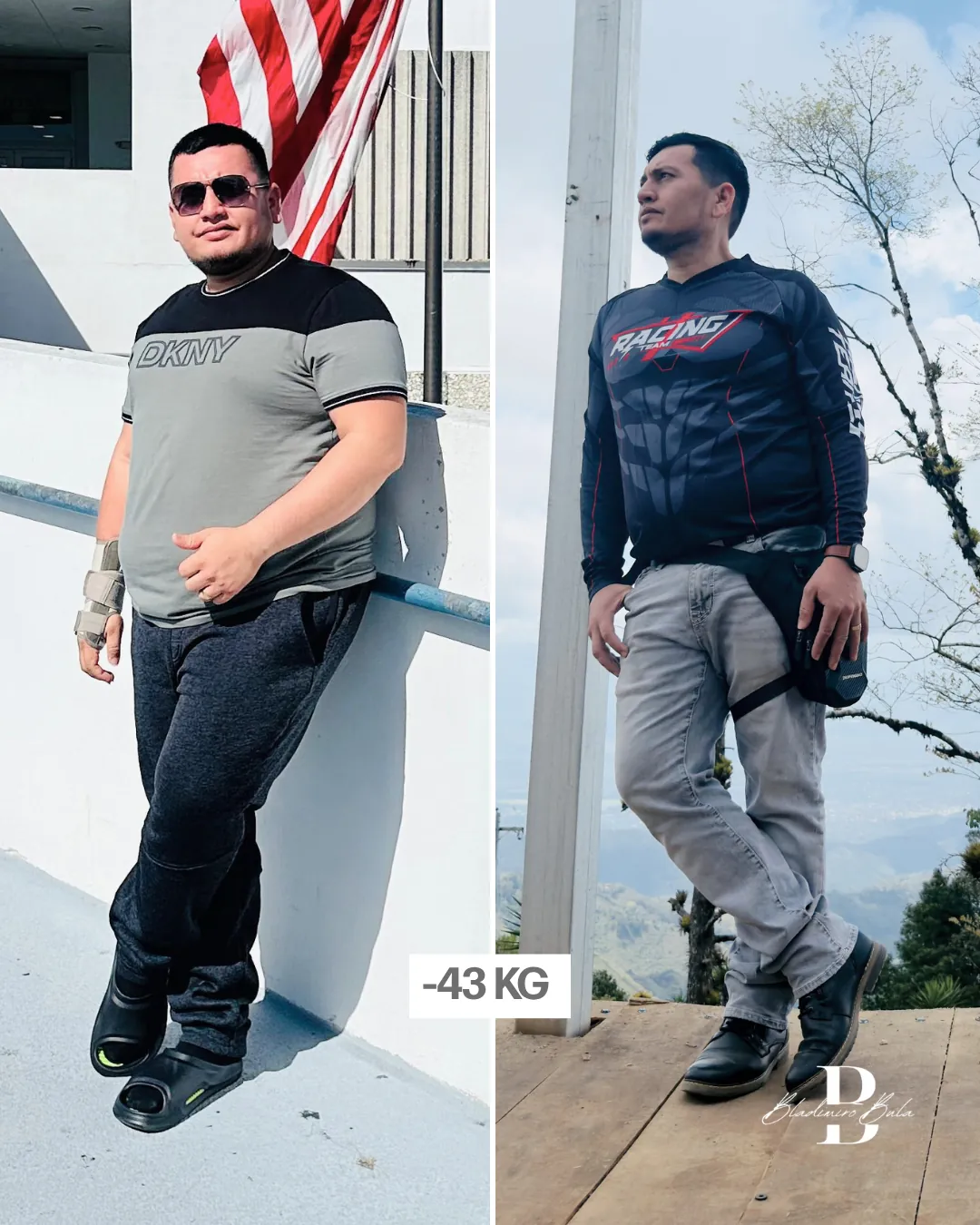
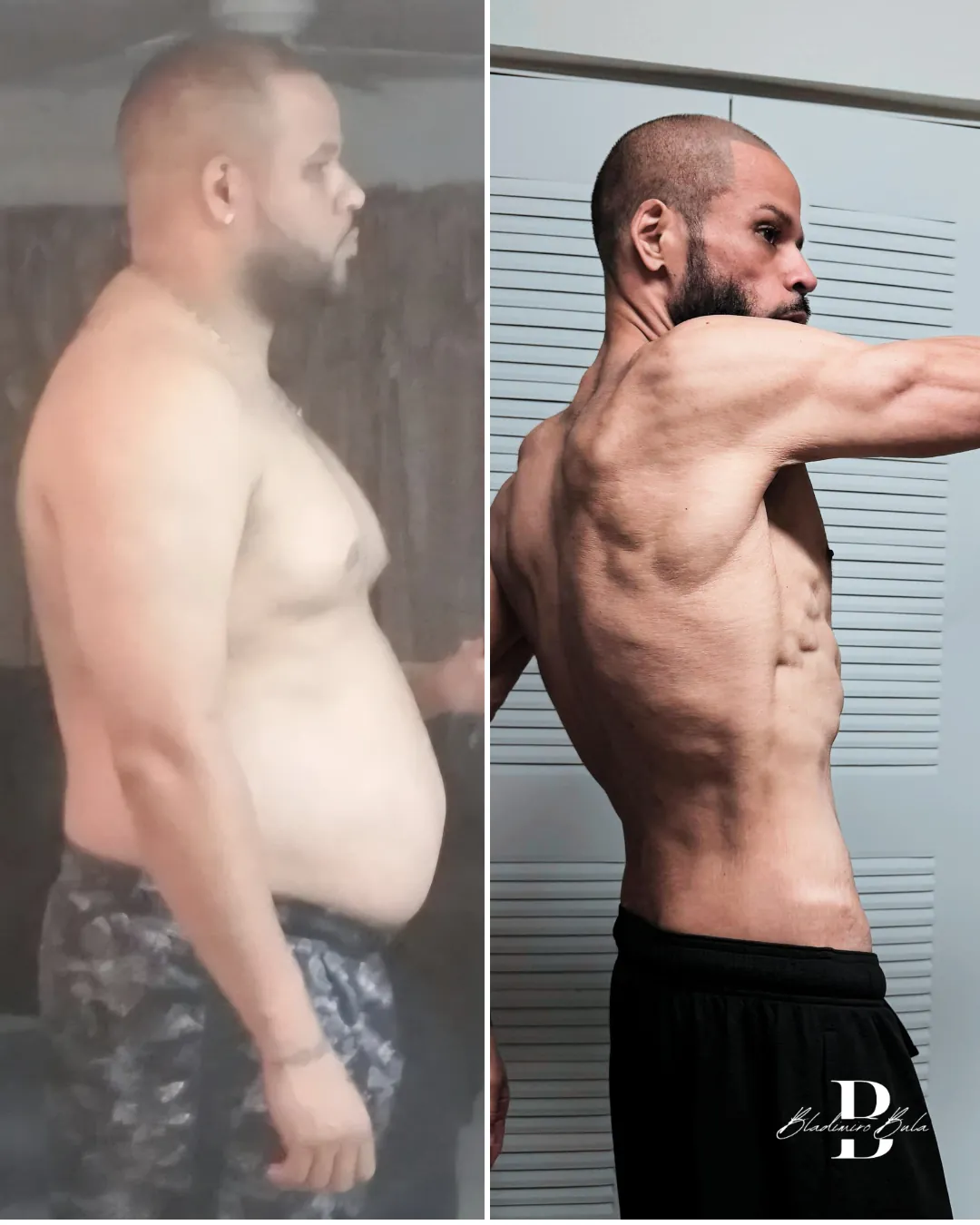
Before and after
Real transformations of Dr. Bladimiro Bula's patients. Every result is individual and depends on each person's commitment to their process.