Gastric
Bypass in Medellín
The bariatric procedure with the best metabolic control, especially for patients with type 2 diabetes and morbid obesity. Performed by Dr. Bladimiro Bula Márquez at Clínica Las Vegas.
Gastric bypass:
the surgery with the greatest metabolic impact
The Roux-en-Y gastric bypass is the most extensively studied bariatric procedure and is considered the gold standard in obesity surgery. It combines two mechanisms: it reduces the size of the stomach to a small pouch (approximately 30 ml) and reroutes the small intestine, creating a new connection between the gastric pouch and the middle section of the intestine.
This combination produces two complementary effects: restriction (you eat much less due to early satiety) and controlled malabsorption (part of the food is absorbed over a shorter length of the intestine). The result is greater weight loss and, above all, a notable metabolic improvement that goes beyond weight.
Why It’s Called “Metabolic”
Gastric bypass produces rapid hormonal changes in the intestine that improve type 2 diabetes even before the patient loses significant weight. Diabetes remission is observed in up to 80% of patients, which has led to classifying the bypass as metabolic surgery, not just bariatric surgery.
How it works
- Severe restriction: the ~30 ml gastric pouch drastically limits the amount of food.
- Partial malabsorption: food bypasses the duodenum and part of the jejunum, reducing calorie absorption.
- Hormonal changes: increased GLP-1 and PYY (satiety hormones), reduced ghrelin (hunger hormone).
- Metabolic effect: rapid improvement in insulin sensitivity, particularly beneficial for diabetics.
How your surgery is performed
General anesthesia
General anesthesia with continuous monitoring. Anesthesiology team specialized in bariatric patients.
Laparoscopic access
Five to six small incisions (5–12 mm) in the abdomen to insert an HD camera and laparoscopic instruments.
Gastric pouch + bypass
A small 30-ml pouch is created. The jejunum is divided and connected to the pouch (gastrojejunostomy). Distal anastomosis (jejunojejunostomy).
Closure and recovery
Leak tests of the anastomoses. Closure with cosmetic sutures. Hospitalization for 24 to 48 hours.

The Essentials of Gastric Bypass
| Aspect | Details |
|---|---|
| Type of surgery | Laparoscopic, minimally invasive |
| Standard technique | Roux-en-Y |
| Procedure duration | 90 to 120 minutes |
| Type of anesthesia | General |
| Hospital stay | 24 to 48 hours |
| Size of the gastric pouch | Approximately 30 ml (vs. 1,000 ml of the original stomach) |
| Return to work | 7 to 14 days |
| Physical activity permitted | 4 to 6 weeks |
| Expected weight loss | 70% to 80% of excess weight in 12–18 months |
| Remission of type 2 diabetes | Up to 80% of cases |
| Reversible | Technically reversible (rarely done) |
Main indications for gastric bypass
Gastric bypass is particularly indicated when seeking maximum metabolic impact in addition to weight loss:
Indications by BMI
- BMI greater than 40 (morbid obesity)
- BMI greater than 35 with associated conditions
- BMI greater than 30 with poorly controlled type 2 diabetes
When bypass surgery is preferable to sleeve gastrectomy
- Significant type 2 diabetes — superior control
- Severe gastroesophageal reflux — bypass eliminates it
- Metabolic syndrome — better resolution
- Weight regain after gastric sleeve — revision option
Gastric sleeve vs. bypass: which is right for you?
| Criteria | Gastric Sleeve | Gastric Bypass |
|---|---|---|
| Ideal BMI | 30–40 | 35+ or 30+ with diabetes |
| Weight loss | 60–70% of excess weight | 70–80% excess |
| Diabetes management | Good | Excellent (up to 80% remission) |
| Gastroesophageal reflux | May worsen | Eliminates it |
| Nutritional supplementation | Minimal | Required for life |
| Reversibility | Not reversible | Technically reversible |
| Technical complexity | Minor | Higher |
Before, during, and after
Before surgery
- Comprehensive evaluation with Dr. Bula and a multidisciplinary team.
- Pre-surgical tests: complete blood work, electrocardiogram, cardiopulmonary evaluation, abdominal ultrasound, upper gastrointestinal endoscopy.
- Nutritional, psychological, and endocrinological evaluation (especially important for patients with diabetes).
- 14-day pre-surgical diet to reduce fatty liver.
- Adjustment of medications for diabetes and other comorbidities.
Surgery Day
- Admission to Clínica Las Vegas in El Poblado, Medellín.
- Antibiotic and antithrombotic prophylaxis.
- Laparoscopic surgery lasting 90 to 120 minutes.
- Post-anesthesia recovery with continuous monitoring.
- Hospital stay of 24–48 hours.
Postoperative recovery
| Time | Nutritional phase | Supplementation |
|---|---|---|
| Days 1–7 | Clear liquids | Liquid multivitamin |
| Weeks 2–3 | Thickened liquids and purees | Iron, vitamin B12, vitamin D, calcium |
| Weeks 4–6 | Soft foods | Continue daily supplementation |
| Month 2 and beyond | Balanced solid diet with an emphasis on protein | Lifelong supplementation |
Ongoing medical follow-up
Follow-up visits at 24 hours, 8 days, 30 days, 90 days, 6 months, 12 months, and then annually. The bypass requires lifelong vitamin and mineral supplementation and annual lab tests to ensure adequate levels of iron, vitamin B12, calcium, vitamin D, and protein.

Beyond weight
Gastric bypass is the bariatric surgery with the strongest long-term evidence (up to 30 years of follow-up in international studies). The benefits go beyond weight loss:
| Time | Weight loss | Metabolic changes |
|---|---|---|
| 1 month | 10–15% excess | Noticeable improvement in blood sugar control; some diabetics stop taking insulin |
| 3 months | 30–40% excess | Significant reduction in diabetes/hypertension medications |
| 6 months | 50–60% excess | Resolution of sleep apnea in many cases |
| 12 months | 70–80% reduction | Complete remission of diabetes in most cases |
| 5 years | Maintenance ~60–70% | Sustained cardiovascular benefits |
Improvement in comorbidities
- Type 2 diabetes: complete remission in up to 80% of patients
- High blood pressure: complete control in 70–80%
- Sleep apnea: resolution in approximately 80%
- Dyslipidemia: normalization in 70–80%
- Gastroesophageal reflux: nearly complete resolution
- Hepatic steatosis (fatty liver): significant improvement
- Metabolic syndrome: resolution in most cases
Risks and considerations
Like any major surgery, gastric bypass carries risks. Appropriate patient selection, precise surgical technique, and rigorous follow-up are the factors that minimize complications.
General risks (rare)
- Bleeding at the surgical site
- Leakage at the anastomosis (1% to 3%)
- Anastomotic stenosis
- Deep vein thrombosis
- Anesthetic complications
- Internal hernia (long-term, 1–3%)
Long-term considerations
- Lifelong vitamin supplementation: iron, B12, calcium, vitamin D, multivitamin. Not optional.
- Dumping syndrome: response to excess simple sugars (dizziness, sweating, tachycardia). Preventable with an appropriate diet.
- Nutritional deficiencies if supplementation is not followed.
- Changes in alcohol absorption: increased sensitivity post-surgery.
- Changes in gut flora and digestion that may require adaptation.
Patient commitment is crucial
Gastric bypass is a powerful tool, but long-term success depends on the patient’s commitment to the nutritional plan, supplementation, medical follow-ups, and lifestyle changes. It is not a magic solution: it is a permanent structural change that requires ongoing support.
Investing in your health
The cost of gastric bypass surgery in Medellín is significantly lower than in the United States, Canada, or Europe, with equivalent or superior surgical standards. The surgical package depends on the type of hospitalization, required pre-surgical tests, and the patient’s comorbidities.
What the surgical package includes
- Fees for the lead surgeon and surgical team
- Anesthesiology fees
- Operating room and laparoscopic equipment
- Hospitalization (24–48 hours depending on recovery)
- Post-surgical endoscopy if indicated
- Follow-up visits during the first year
- Initial nutritional counseling
Initial evaluation consultation
The initial consultation with Dr. Bula costs $170,000 COP. It includes a comprehensive clinical evaluation, review of medical history, and personalized recommendation (gastric sleeve, bypass, or revision surgery).
The package quote is provided after the evaluation. Financing options are available.
Are you coming from outside Colombia?
Gastric bypass is one of the most requested procedures by international patients in Medellín, with clinical results comparable to the world’s top centers and significantly lower costs.
Before Your Trip
- Virtual evaluation via video call
- Coordination of pre-surgical tests in your city
- Scheduling of surgery and hospital reservation
- Support with travel logistics and accommodations
During your stay
- In-person pre-surgical consultation
- Surgery and hospitalization (24–48 hours)
- Recommended local recovery: 10 to 14 days in Medellín
- Post-surgical follow-up before returning
- Virtual follow-up for 12 months
Why choose Dr. Bula?
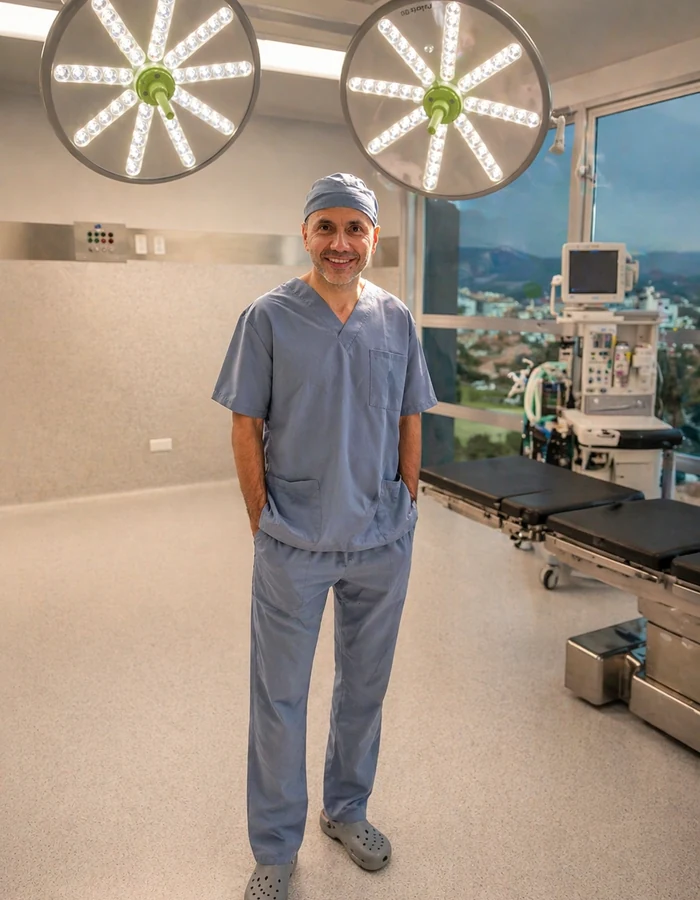
Dr. Bladimiro Bula Márquez
General and Bariatric Surgeon · Professional License No. 79788744 · Over 2,000 successful laparoscopic surgeries.
- Undergraduate and Graduate Degrees in General Surgery — Metropolitan University of Barranquilla (2012)
- Certification in Bariatric Surgery — IRCAD Institute, Rio de Janeiro, Brazil
- Member of the Colombian Association of Obesity and Bariatric Surgery (ACOCIB)
- Practices at Clínica Las Vegas and Clínica El Rosario, Medellín
We answer your questions
Take the first step
Schedule your consultation with Dr. Bula and find out if gastric bypass surgery is the best option for you.
Before and after
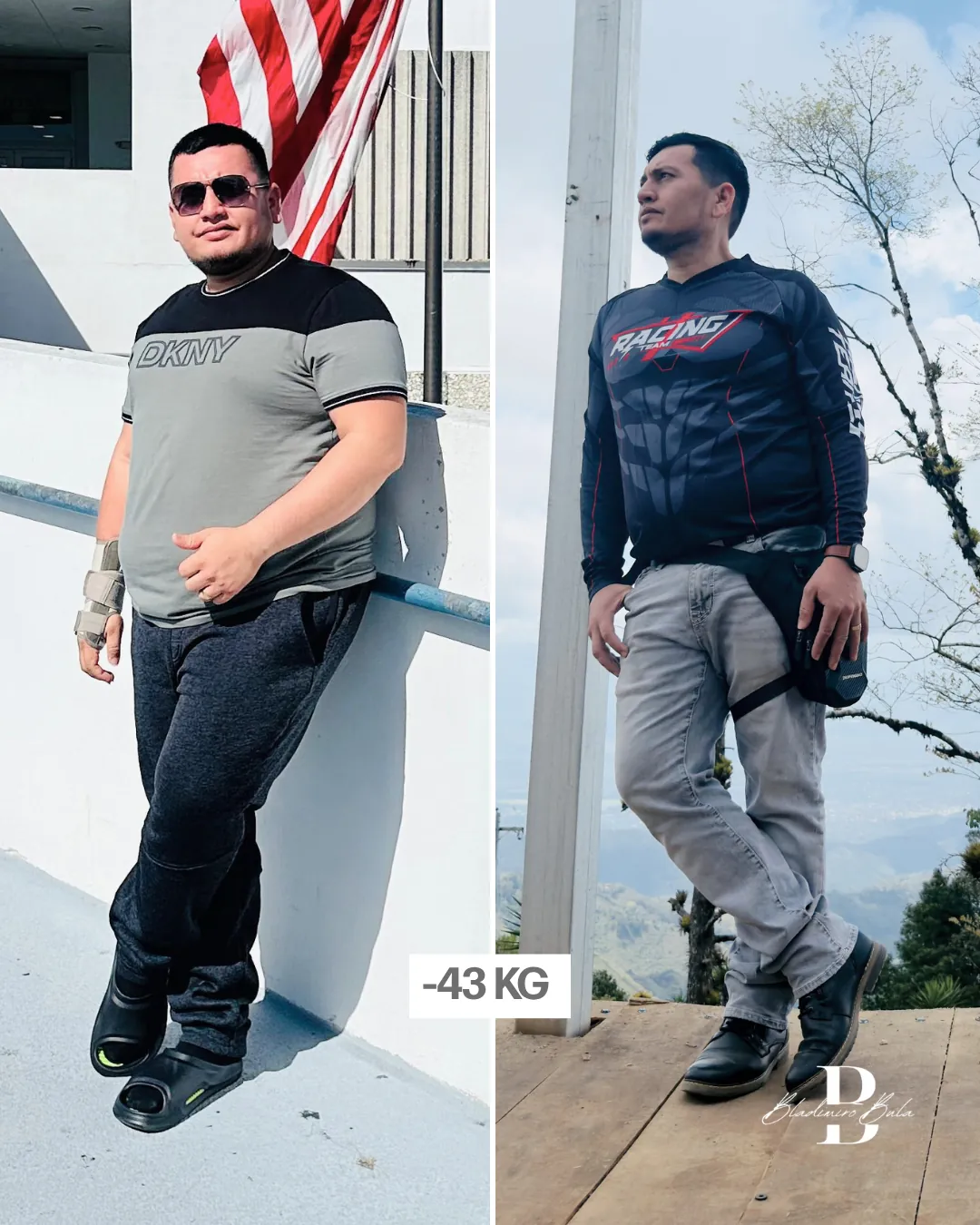
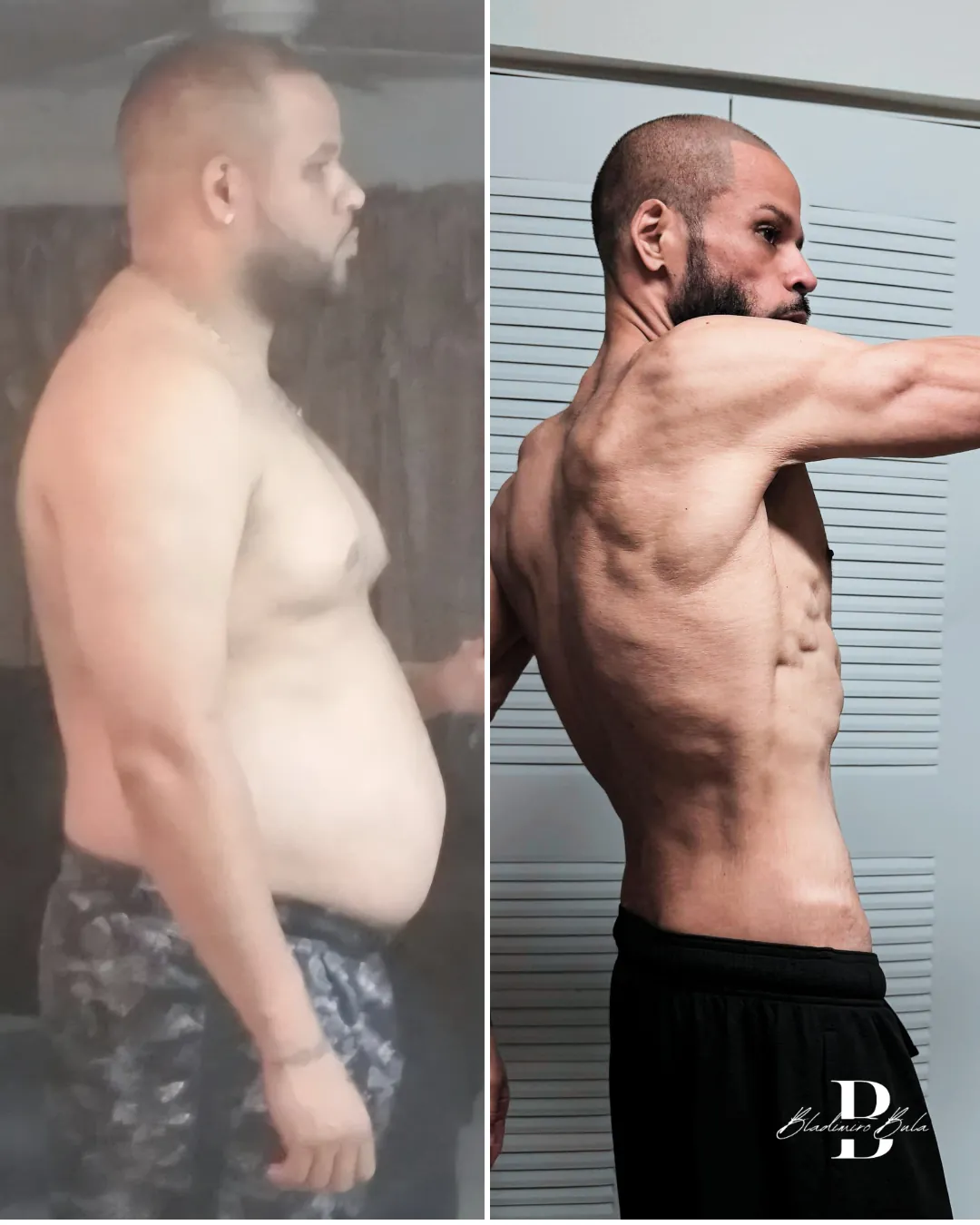
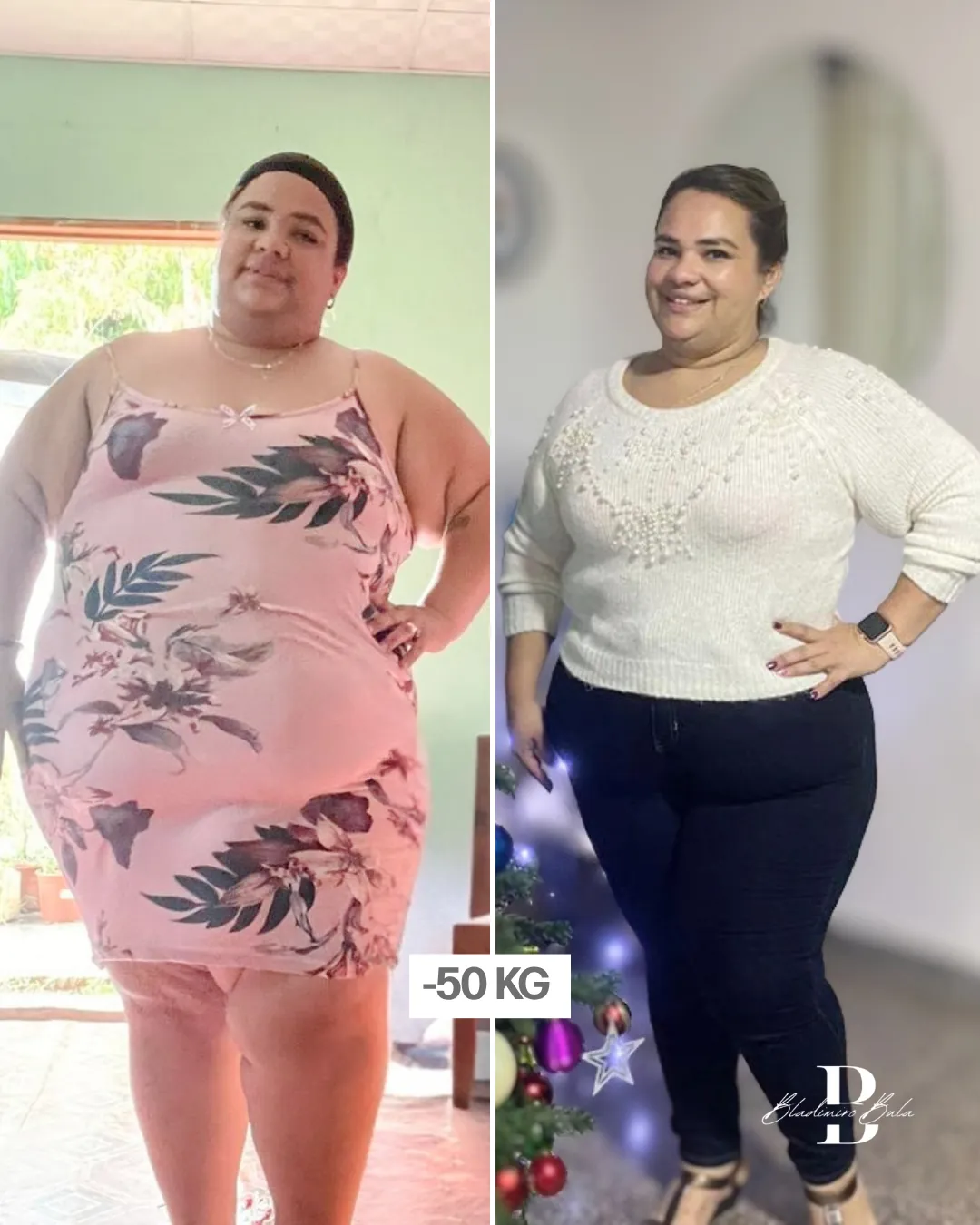
Real transformations of Dr. Bladimiro Bula's patients. Every result is individual and depends on each person's commitment to their process.