Gastric
Sleeve in Medellín
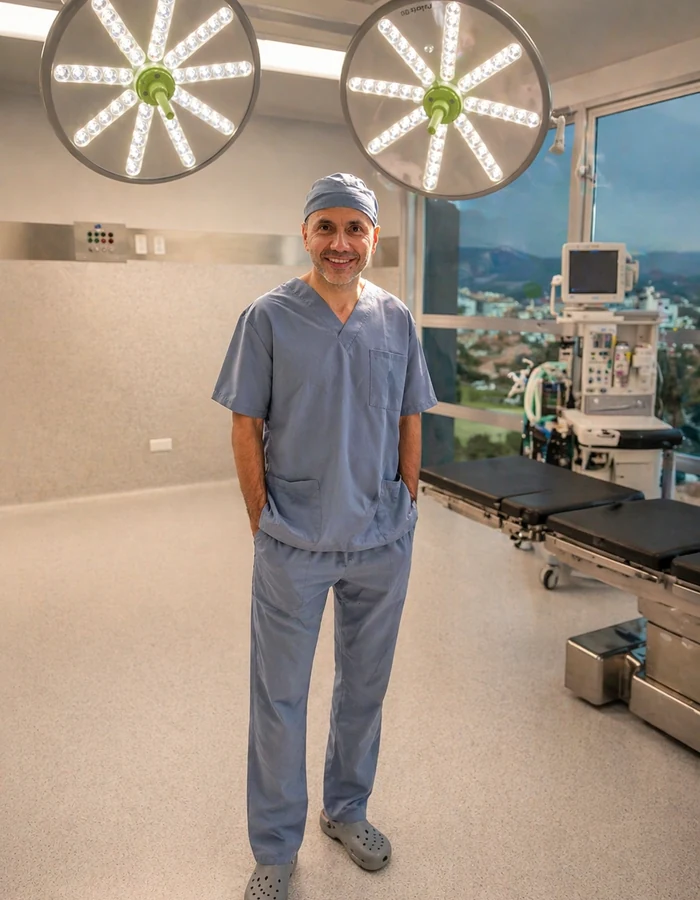
Laparoscopic gastric sleeve performed by Dr. Bladimiro Bula Márquez at Clínica Las Vegas, El Poblado. Over 2,000 surgeries performed, minimally invasive technique, and ongoing medical support.
Gastric sleeve:
a definitive solution for obesity
Gastric sleeve surgery—also known as vertical sleeve gastrectomy—is a bariatric surgical procedure that reduces the stomach by approximately 80%, leaving a tube or "sleeve" that can hold much less food. It is performed laparoscopically, which means it is done through small incisions (5 to 6 mm) and does not require opening the abdomen.
Unlike gastric bypass, gastric sleeve surgery does not alter the course of the small intestine, so nutrient absorption remains virtually normal. It is one of the most commonly performed bariatric surgeries in the world thanks to its balance of safety, results, and relative technical simplicity.
How It Works
The surgery works through two complementary mechanisms:
- Mechanical restriction: by reducing the size of the stomach, you feel full with much smaller portions.
- Hormonal change: by removing the part of the stomach that produces ghrelin (the hunger hormone), the sensation of hunger is significantly reduced during the post-operative months.
Four stages of your surgery
General anesthesia
We administer general anesthesia under the supervision of a board-certified anesthesiologist. The surgery is performed while the patient is fully asleep and monitored.
Laparoscopic incisions
Five small incisions (between 5 and 12 mm) in the abdomen allow the camera and specialized instruments to be inserted.
Stomach resection
Approximately 80% of the stomach is removed, leaving a narrow vertical tube. The suture line is reinforced with high-strength material.
Closure and recovery
Closure of incisions with cosmetic sutures. Awakening in the recovery room. Hospitalization for 24 to 48 hours with continuous monitoring.

What You Need to Know
| Aspect | Details |
|---|---|
| Type of surgery | Laparoscopic, minimally invasive |
| Procedure duration | 60 to 75 minutes |
| Type of anesthesia | General |
| Hospital stay | 24 to 48 hours |
| Return to office work | 7 to 14 days |
| Return to physical activity | 4 to 6 weeks |
| Expected weight loss | 60% to 70% of excess weight in 12–18 months |
| Main indication | BMI greater than 30, especially with comorbidities |
| Reversible | No (it is permanent) |
| Location | Clínica Las Vegas, El Poblado, Medellín |
Who benefits most
The gastric sleeve is primarily indicated for people who meet at least one of the following criteria:
Indications by BMI
- BMI greater than 35 without associated diseases
- BMI between 30 and 35 with at least one obesity-related condition (type 2 diabetes, hypertension, sleep apnea, dyslipidemia)
- BMI greater than 40 in any circumstance (morbid obesity)
Clinical indications
- Age typically between 18 and 65 years
- Documented failure of non-surgical treatments (diet, exercise, medication)
- Commitment to long-term lifestyle changes
- Absence of major surgical contraindications
- Favorable psychological and nutritional evaluation
When is gastric sleeve surgery NOT recommended?
- Severe gastroesophageal reflux (in these cases, gastric bypass is usually preferred)
- Serious esophageal diseases such as advanced erosive esophagitis or Barrett’s esophagus
- Uncontrolled psychiatric disorders or active addictions
- Pregnancy or plans to become pregnant within the next 12 to 18 months
- Patients who are unwilling to commit to ongoing medical follow-up
During your consultation with Dr. Bula, we will evaluate your BMI, medical history, eating habits, and lifestyle to determine whether gastric sleeve surgery is the best option for you, or whether you should consider gastric bypass surgery or another procedure.

Before, During, and After
Before surgery (1–4 weeks prior)
- Comprehensive evaluation: consultation with Dr. Bula, nutritional and psychological assessment.
- Pre-surgical tests: complete blood work, electrocardiogram, chest X-ray, abdominal ultrasound, upper gastrointestinal endoscopy.
- Pre-surgical diet: 7 to 14 days of a liquid or low-calorie diet to reduce liver size and facilitate surgery.
- Discontinuation of certain medications: anti-inflammatory drugs, anticoagulants (as medically indicated).
- Fasting: 8 hours before surgery.
The day of surgery
- Admission to Clínica Las Vegas two hours before the procedure.
- Pre-surgical preparation: IV line, antibiotic and antithrombotic prophylaxis.
- Laparoscopic surgery lasting 60 to 75 minutes.
- Post-anesthesia recovery lasting 1 to 2 hours.
- Transfer to the room. Intravenous hydration, pain management, and progressive mobilization.
Postoperative recovery
| Time | Nutritional phase | Activity |
|---|---|---|
| Days 1–7 | Clear liquids (broths, gelatin, water) | Rest at home, short walks |
| Weeks 2–3 | Full-fat liquids and purees | Light daily activities, return to office work |
| Weeks 4–6 | Soft foods | Light, effortless physical activity |
| Month 2 and beyond | Balanced solid diet | Gradual return to exercise and normal life |
Medical follow-up
We conduct follow-up visits at 24 hours, 8 days, 30 days, 90 days, 6 months, and 1 year. Each appointment assesses weight loss, nutritional parameters, adaptation to the new diet, and the body’s response. Support is one of the pillars of bariatric surgery success.
What to Expect
The results of gastric sleeve surgery vary depending on the patient’s commitment to the post-surgical plan, but the consolidated data in the medical literature are consistent:
| Post-surgery timeline | Expected weight loss | Clinical milestones |
|---|---|---|
| 3 months | 25% to 35% of excess weight | Improved blood sugar, blood pressure |
| 6 months | 40% to 55% of excess weight | Significant reduction in diabetes/hypertension medications |
| 12 months | 60% to 70% of excess weight | Weight stabilization, improved mobility and energy |
| 18–24 months | Maintenance of achieved weight | Frequent resolution of comorbidities |
Improvement in associated conditions
- Type 2 diabetes: remission or significant improvement in 60–80% of patients
- High blood pressure: control or reduction in medication in 70–80%
- Sleep apnea: resolution in approximately 75% of cases
- Dyslipidemia: improvement in 60–70%
- Chronic joint pain: significant reduction due to less strain
Risks and considerations
Laparoscopic bariatric surgery is one of the most standardized and safest procedures in modern surgery, but like any surgical intervention, it carries risks. Transparency in this regard is a fundamental part of making an informed decision.
General risks (rare)
- Bleeding at the surgical site
- Leakage along the stomach suture line (1% to 3%)
- Wound infection
- Deep vein thrombosis
- Adverse reactions to anesthesia
Long-term considerations
- Gastroesophageal reflux: may develop or worsen in some patients; it is managed with medication or, in persistent cases, conversion to gastric bypass.
- Nutritional supplementation: although less common than with bypass surgery, it is recommended to take vitamin supplements (B12, iron, vitamin D) and undergo annual checkups.
- Lifestyle changes: long-term success depends on commitment to the new diet and physical activity.
- Insufficient weight loss or weight regain: in a small percentage of patients, revision surgery may be required.
Dr. Bula performs a thorough preoperative evaluation to minimize risks. Appropriate patient selection and precise surgical technique are the main factors that reduce complications.
Investing in Your Health
The cost of gastric sleeve surgery in Medellín varies depending on the surgical package, the type of hospitalization (standard or suite), and the findings of your pre-surgical evaluation. Medellín has established itself as one of the leading destinations for medical tourism in Latin America thanks to its excellent value for money compared to the United States, Canada, and Europe.
What the surgical package includes
- Fees for the lead surgeon and surgical team
- Anesthesiology fees
- Use of the operating room and laparoscopic equipment
- Hospital stay (24 to 48 hours depending on recovery)
- Post-surgical endoscopy if indicated
- Follow-up visits during the first year
- Initial nutritional counseling
Initial evaluation consultation
The initial evaluation consultation with Dr. Bula costs $170,000 COP. It includes a comprehensive clinical evaluation, review of medical history, and personalized recommendation of the most appropriate procedure for your case.
A detailed quote for the surgical package is provided after the initial evaluation, as it depends on individual clinical findings and the required pre-surgical tests. Financing options are available.
Are you coming from outside Colombia?
We treat patients traveling from the United States, Canada, Mexico, Ecuador, Panama, and Europe. The process for international patients is designed to minimize the number of trips and optimize your stay in Medellín.
Before Your Trip
- Virtual evaluation via video call (1st consultation)
- Coordination of pre-surgical tests in your city
- Review of results and surgical approval
- Scheduling of surgery and hospital reservation
- Recommendation of accommodations near the clinic
During your stay
- In-person pre-surgical consultation upon arrival
- Surgery and hospitalization (24–48 hours)
- Recovery at your accommodation (recommended: 7 to 10 days in Medellín)
- Post-surgical follow-up before returning
- Online follow-up for 12 months
Why choose Dr. Bula?
Dr. Bladimiro Bula Márquez
General and Bariatric Surgeon · Professional License No. 79788744 · Over 2,000 successful laparoscopic surgeries performed.
- Undergraduate and Graduate Degrees in General Surgery — Metropolitan University of Barranquilla (2012)
- Certification in Bariatric Surgery — IRCAD Institute, Rio de Janeiro, Brazil
- Member of the Colombian Association of Obesity and Bariatric Surgery (ACOCIB)
- Practices at Clínica Las Vegas and Clínica El Rosario, Medellín
We answer your questions
Take the first step
Schedule your consultation with Dr. Bula and receive a personalized recommendation for your case. In-person care in Medellín and virtual consultations for international patients.
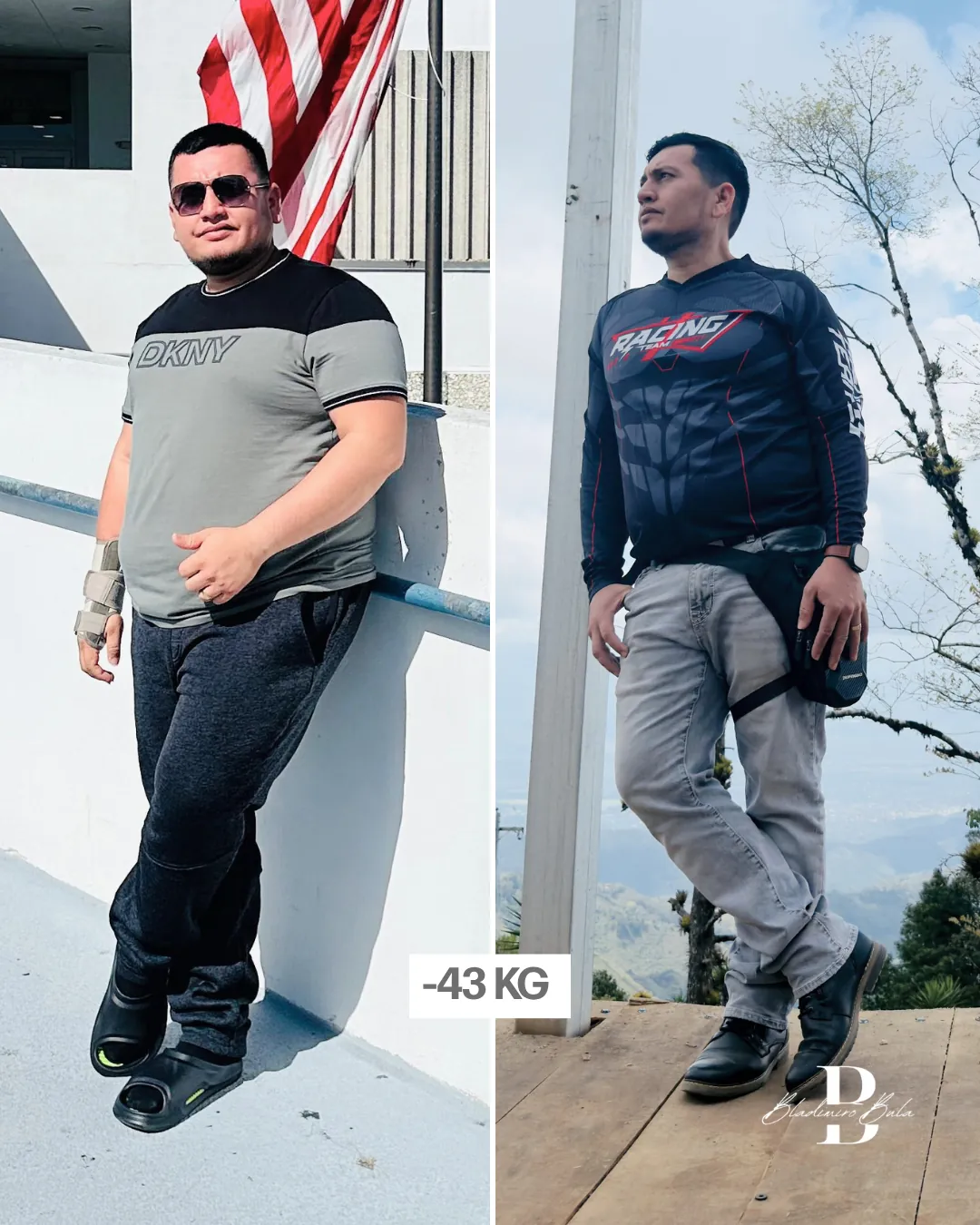
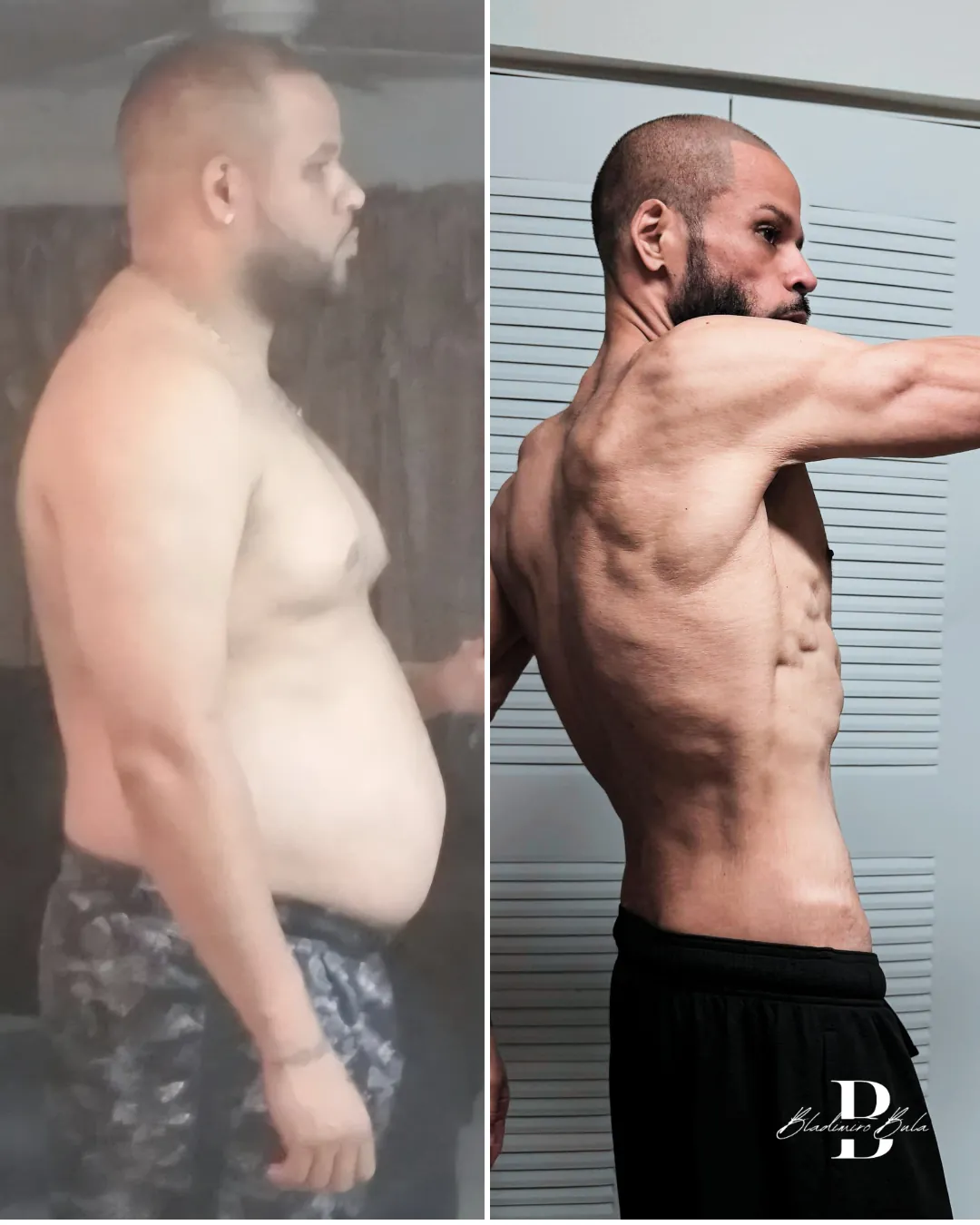
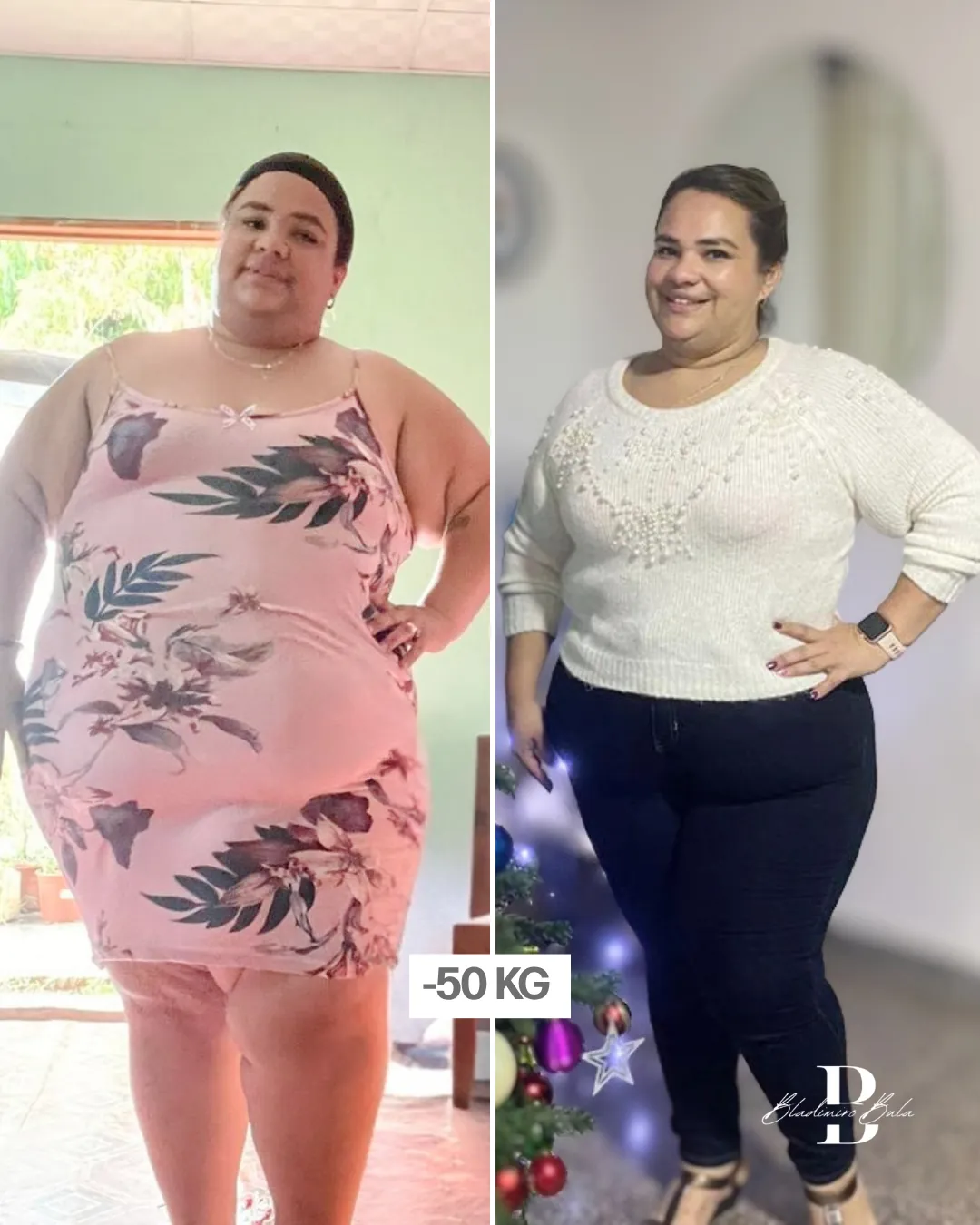
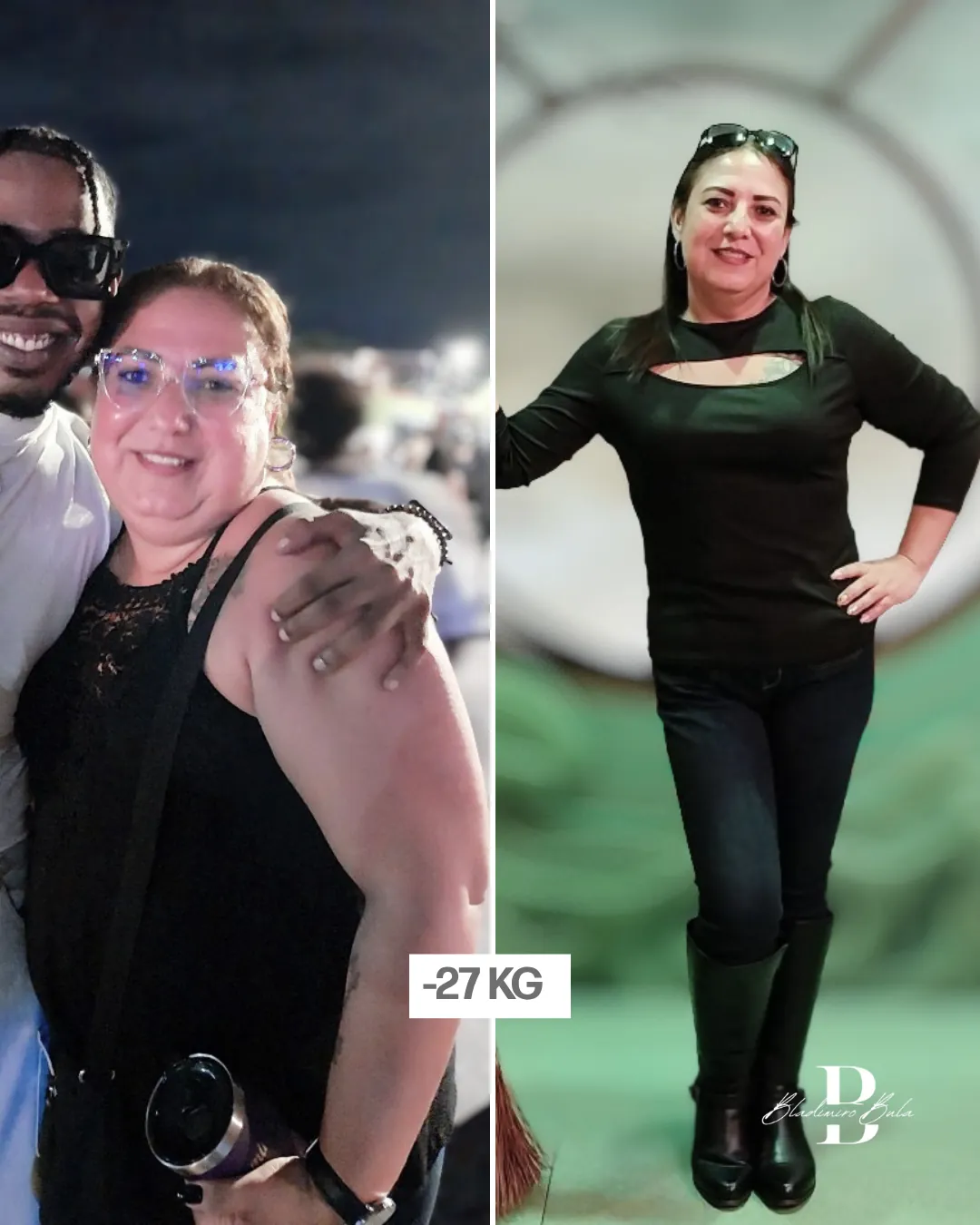
Before and after
Real transformations of Dr. Bladimiro Bula's patients. Every result is individual and depends on each person's commitment to their process.